The 8 Most Dangerous Cruise Line Companies
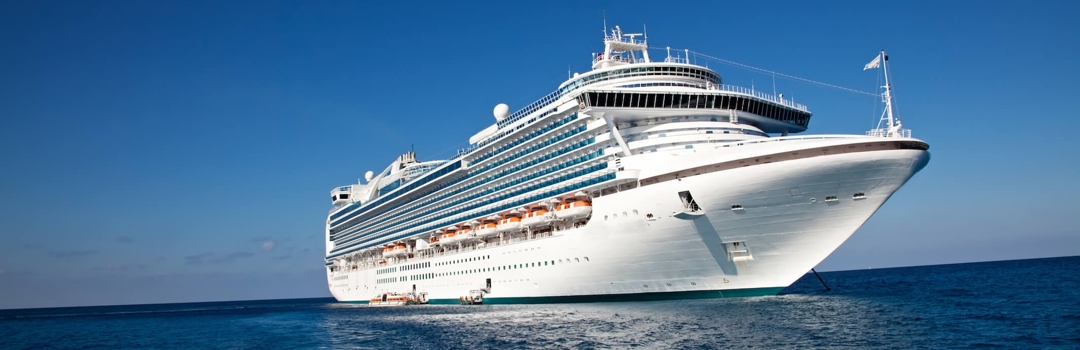
In November 2023, Saga Cruises’ Spirit of Discovery entered rough seas off the coast of France near the Bay of Biscay. For 18 hours, the ship was battered by 50-foot waves, leaving over 100 people injured with broken bones, damaged pelvises, lacerations, and other injuries. Passengers reported texting their loved ones in case the ship capsized; they slept in their life vests, prepared to sink at any moment.
In a subsequent statement, Saga Cruises revealed that most of the injuries occurred when the waves activated the ship’s automatic safety system, causing the ship to veer and stop suddenly. The force of it sent people and furniture flying, which was especially damaging for elderly passengers who made up a majority of the guests.
Cruise line incidents like these are rare. In fact, cruise line companies call themselves the safest form of leisure travel due to low incident rates in a decade of larger and more numerous cruises. Of course, these companies—the largest of which are worth tens of billions—stake their value on being safe and secure.
But how safe and secure are these companies? In this blog, we look at official data to determine which cruise lines have the worst records for safety and security.
Enforcing Safety & Sanitation on Cruise Ships
According to Cruise Lines International Association (CLIA), an industry lobby for the cruise industry, cruises are the most scrutinized seafaring vessels in the world. This claim is based on the sheer number of rules and regulatory institutions cruise ships have to comply with.
Cruise ship safety requires cruise lines to provide the following:
- Crew training: Training must include security and first aid to help with multiple types of emergencies.
- Compliance with all authorities: This includes initial design and manufacturing standards to interaction with the International Maritime Organization, flag and port authorities, and others.
- Emergency equipment: Cruise ships are required to have tested survival crafts with 125% capacity for everyone on board.
One way the government enforces these standards on cruise ships operating in American ports is through the CDC Vessel Sanitation Program. In this program, CDC inspectors have the right to inspect cruise vessels in American ports unannounced twice a year. Each inspection covers eight different areas of the ship, ranking them out of a total possible score of 100. Cruise ships lose points for repeated or systemic failure to comply with safety standards, or they lose points for a single egregious violation. A score of 86 or higher is satisfactory, while a score of 85 or lower is a fail.
The areas of the ship inspected under the Vessel Sanitation Program include:
- Medical facilities
- Potable water systems
- Swimming pools and spas
- Galleys and dining rooms
- Child activity centers
- Hotel accommodations
- Ventilation systems
- Common areas
The VSP uses market pressure to enforce these standards. Failing an inspection does not necessarily keep the ship from sailing, but VSP scores are public, so it’s in the cruise line’s best interests to comply. However, the VSP will issue a “no-sail recommendation” if a ship’s condition presents an imminent health risk.
The CDC’s examples of issues warranting a no-sail recommendation include:
- Failure to properly treat drinking water
- Inability to keep food at safe temperatures
- Poor facilities for cleaning or sanitizing kitchen equipment
- Inability to dispose of human or food waste
Cruise Lines That Have Failed the VSP Inspection in Recent Years
Using the CDC database, we were able to find the cruise lines that failed inspection and their scores. Our criteria included all failed inspections in the last five years, between 10 January 2019 and 10 January 2024. You can actually query their data yourself at the link; the database includes the inspection itself and what the vessel did to resolve their issues.
The most recent failed inspection was also the worst, at 67 points for an inspection of an MSC Cruise Lines vessel. Founded in 1970 in Naples, Italy, MSC Cruise Lines is now a Swiss company based in Geneva. MSC has a reputation among cruise-goers for being a “budget” cruise: there are fewer amenities, smaller staff, and less space for each guest. It’s clear that there’s a tradeoff to having fewer staff aboard each cruise, but it’s not an acceptable tradeoff if guests are at risk for poor hygiene, the spread of disease, or food poisoning—all vital issues for the VSP.
Assault & Security-Related Incidents on Cruise Ships
Cruises, in many ways, behave like their own municipalities. Large cruise vessels have their own security apparatus headed by former law enforcement officials, investigators, medical facilities, and other things you’d find in a normal town. However, unlike municipalities, cruises don’t have a civic duty to their guests. Cruise managers try to balance between investigating crimes that occur aboard the ship and keeping news of criminal acts hidden from guests.
However, since 2010 the Cruise Vessel Security and Safety Act (CVSSA) has required cruise lines to report specific criminal incidents or allegations to the FBI on a quarterly basis, which are then published by the Department of Transportation. These allegations get reported regardless of investigation status or whether they victimized crew members or passengers. As a result, we now have a decade of quarterly data uncovering what occurs at sea on cruise ships.
While the numbers fluctuate, the data shows that the criminal act to occur most often on cruises is rape or sexual assault. While the exact nature of how and why these rapes occur isn’t well documented—the Rape, Abuse, and Incest National Network say two of three rapes are never reported—the few stories we do have suggest the cruise environment contributes to the problem. Cruisegoers are encouraged to indulge in binge drinking via all-inclusive drink packages, providing opportunity to sexual predators. Cruises are virtually anonymous, as few cruise passengers or crew ever expect to see each other again.
In a story from the Washington Post, two women brought rape cases against the same bartender working aboard a Margaritaville at Sea vessel. He pled guilty to “abusive sexual contact” (a lesser charge) but still faces a civil rape suit from the second victim. While the vast majority of cruise ship crimes (including rape) are committed by passengers, it’s clear that cruise lines are not doing enough to keep guests safe.
The Least Secure Cruise Lines of 2023
Using the cruise crime data, we’re able to determine which cruise lines saw the most criminal incidents aboard their vessels. These incident reports heavily favored sexual assault or rape, followed by high-value asset theft in some cases. You may notice some familiar names here.
Is It Safe to Work for These Cruise Lines?
Data reporting and sanitation inspections are oriented toward protecting passengers, but our findings affect workers as well. After all, the crew is eating from the same pantries and refrigerators as the passengers, and crew members are perhaps even more subject to assault and physical harm than the average passenger given the time they spend at sea. It follows that the same cruise lines failing to keep their passengers safe and healthy are even less likely to keep crew members safe.
Crew members, thankfully, have at least the same protections at sea as passengers; in fact, they may have even more protections under maritime law. Laws like the Jones Act specifically protect the rights of offshore workers who are injured or harmed by the negligence of their supervisors or by the unseaworthiness of the vessel. Even a case of severe food poisoning due to poor kitchen practices, one could argue, falls under a vessel's "seaworthiness."
Cruise Crews & Passengers Deserve Better
The difference in crime rates between Royal Caribbean and Carnival prove at least one thing: crime is not an inevitable part of passenger capacity. Cruise lines would have passengers believing that crime is unavoidable, that having so many people on a pleasure vessel will lead to crime at some point. The implication is, of course, that victims of crimes have themselves to blame.
The truth is more obvious: Carnival, Royal Caribbean, and every other cruise company in the world have the ability to manage passenger safety, security, and health. If a cruise line is prone to subjecting guests to gastrointestinal illness, rape, assault, or other serious hazards, then that cruise line has to change its policies and make restitution to the victims.
And if society doesn’t force cruise lines to make things right, to make victims whole, then we’ve accepted that the victims’ lives are worth less. At Arnold & Itkin, we don’t accept that.
When passengers and crew members are harmed at sea, the legal landscape is complex, with maritime law governing everything from assault claims to injuries caused by an unseaworthy vessel. Arnold & Itkin’s cruise ship injury attorneys have extensive experience holding cruise lines accountable for the safety failures that put passengers and workers at risk. The firm handles maritime cases nationwide, with more than $25 billion recovered in verdicts and settlements since 2004 across some of the most challenging cases in the industry.